


Understanding Your Brand Identity

Before embarking on the logo design journey, it is imperative to have a solid understanding of your brand identity. Your logo serves as the visual cornerstone that communicates who you are as a business. Therefore, knowledge of your brand’s mission, values, and target audience is critical, as these elements should heavily influence the design choices you make.
Your brand’s mission outlines the purpose behind its existence. Is your goal to provide affordable solutions or luxury products? This fundamental understanding will guide the type of aesthetics you employ in your logo. For instance, if your mission focuses on sustainability and eco-friendliness, a design that incorporates natural elements and earthy tones could resonate well with your audience.
Similarly, a clear articulation of your brand values is crucial. If your brand prides itself on innovation, a modern and contemporary logo may be suitable. On the other hand, if tradition and heritage are central themes, a timeless design might better represent your brand. This coherence ensures that your logo not only looks appealing but also communicates the core ethos of your business.
Another critical aspect to consider is your target audience. Understanding their preferences, habits, and demographics will significantly impact the effectiveness of your logo. A youthful audience might respond better to vibrant colors and playful fonts, while a more mature demographic may prefer a classic, understated approach. Therefore, aligning your logo design with your audience’s expectations fosters a deeper emotional connection.
In summary, a profound comprehension of your brand identity is essential in creating a logo that accurately reflects your business. By integrating your mission, values, and understanding your targeted consumers, you are more likely to develop a logo that synchronizes with your overall brand message. This foundational step will pave the way for a logo that not only captures attention but also embodies the essence of your brand.
Research and Analyze Competitors

Conducting thorough research on your competitors is an essential first step in the logo design process. By examining the logos of businesses within your industry, you can gain invaluable insights into design elements that resonate with your target audience. This analysis will not only help you understand the visual language prevalent in your market but also guide you in creating a logo that distinguishes your brand from the competition.
Begin by compiling a list of key competitors and their respective logos. Analyze each logo based on several factors, including color schemes, typography, shapes, and overall composition. Pay attention to how they convey brand identity and core messages through their visual representation. This examination often reveals trends—certain colors or design styles may dominate your industry. For instance, technology companies might frequently use blue to evoke trust, while eco-friendly brands often lean towards green hues to symbolize sustainability.
As you identify common trends, it’s equally important to assess the effectiveness or ineffectiveness of specific designs. Consider what works and what doesn’t. Are certain logos easily recognizable or memorable? Do any logos fail to communicate the brand’s essence or values? By discerning these elements, you can avoid mimicking competitors while harnessing successful strategies to enhance your design. This knowledge empowers you to innovate, ensuring your logo captures your unique brand identity effectively.
Uniqueness is crucial; while you want to generate ideas inspired by competitors, ensuring your design stands out is paramount. Ultimately, the goal is to create a logo that not only reflects your brand but also resonates with your target market, establishing a strong presence in your industry. Through methodical research and analysis, you can achieve a distinctive design that effectively represents your business and sets you apart in the marketplace.
Keep It Simple and Scalable

When embarking on the journey of logo design, one fundamental principle to prioritize is simplicity. A simple logo is often more memorable than intricate designs. This is primarily because straightforward designs facilitate quick recognition and foster stronger brand recall. Consider how many successful brands have opted for minimalist logos, employing basic shapes and limited color palettes, allowing their identities to become instantly recognizable. A simple logo also possesses a timeless quality that transcends trends, ensuring its relevance for years to come.
In addition to simplicity, scalability is crucial in the design process. Your logo must retain its integrity and aesthetic appeal across various mediums and sizes. Whether displayed on a business card, a website, or a massive billboard, a scalable logo needs to maintain its impact. An overly complex design may lose essential elements or become indistinguishable when resized, which could dilute the brand’s message. Thus, it is advisable to create designs that are as effective at small scales as they are at larger dimensions.
Testing for readability at different sizes is an essential step in the logo design process. A good practice is to view the logo in both extremely small and large formats to assess its clarity and legibility. For instance, viewing the logo on a mobile device screen can reveal whether fine details become lost or challenging to read. If a logo appears muddled or intricate at lower resolutions, it is imperative to revisit the design, stripping away superfluous details. By focusing on simplicity and the ability to scale effectively, designers can achieve logos that not only capture their business’s essence but also enable meaningful connections with their audience across diverse platforms.
Choose the Right Colors

Color plays a vital role in logo design, influencing brand perception and consumer behavior. The psychological impact of colors is profound; they can evoke specific feelings and associations that resonate with your audience. Understanding the emotions tied to various colors can assist you in selecting a palette that not only reflects your brand’s identity but also connects with your target customers effectively.
For example, blue is often associated with trust and dependability, making it a staple choice for financial institutions and healthcare brands. Conversely, red can evoke feelings of excitement and urgency, which is why it is frequently used by food and beverage companies. Green is typically associated with nature, health, and tranquility, making it an excellent choice for brands that promote organic or eco-friendly products. By carefully considering the emotions you wish to convey through your logo, you can better align your color choices with your brand messaging.
Additionally, it is crucial to understand the cultural implications of color, as these can vary significantly across different regions and demographics. For instance, while white signifies purity and cleanliness in many Western cultures, it may represent mourning in some Eastern cultures. Conducting research on your target audience can help you select colors that resonate not only emotionally but also culturally.
When developing your color palette, limit your choices to three primary colors to ensure cohesion. Selecting complementary colors can enhance your logo’s visibility and memorability. The right combination can lead to increased brand recognition and loyalty. Therefore, investing time in the color selection process will ultimately strengthen your overall brand identity and improve your connection with consumers.
Select Appropriate Fonts
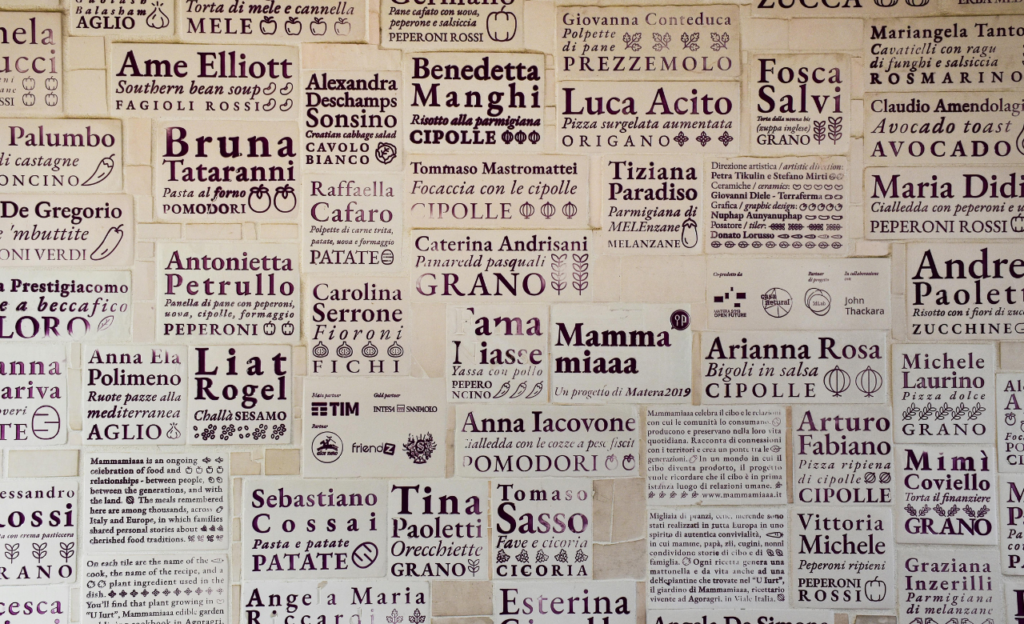
Typography plays a pivotal role in logo design, as the choice of fonts can profoundly communicate the characteristics and values of a brand. A well-selected font can evoke emotions, establish trust, and articulate the professional stance of the business. When choosing fonts for a logo, it is essential to consider legibility, industry relevance, and compatibility with the overall design.
Legibility should be the foremost consideration when selecting fonts for a logo. A font that is difficult to read may lead to misinterpretation of the brand’s message. For instance, a logo intended for a legal firm requires a more authoritative font, such as serif typefaces, while a trendy café may benefit from a playful script font. Thus, it is crucial to identify the tone that aligns with your industry.
Moreover, the font should complement the other visual elements of the logo. This means taking into account the color palette and any accompanying graphics. A harmonious integration between the font and the design concept can enhance the overall impact of the logo. Utilizing contrasting weights, styles, and sizes within a single typeface can also create visual interest, ensuring that the branding remains eye-catching and memorable.
In some instances, businesses may consider using custom fonts, which can provide a unique identity that sets them apart from competitors. Custom typography fosters brand recognition and allows for the expression of brand personality at a deeper level. However, when opting for a custom font, ensure it remains versatile and functional across various mediums, from digital platforms to printed materials.
In conclusion, careful font selection is instrumental in logo design, as it encapsulates the essence of the brand while ensuring clarity and legibility. By thoughtfully choosing and pairing fonts, a logo can successfully communicate the intended message and establish a strong market presence.
Incorporate Graphic Elements Wisely
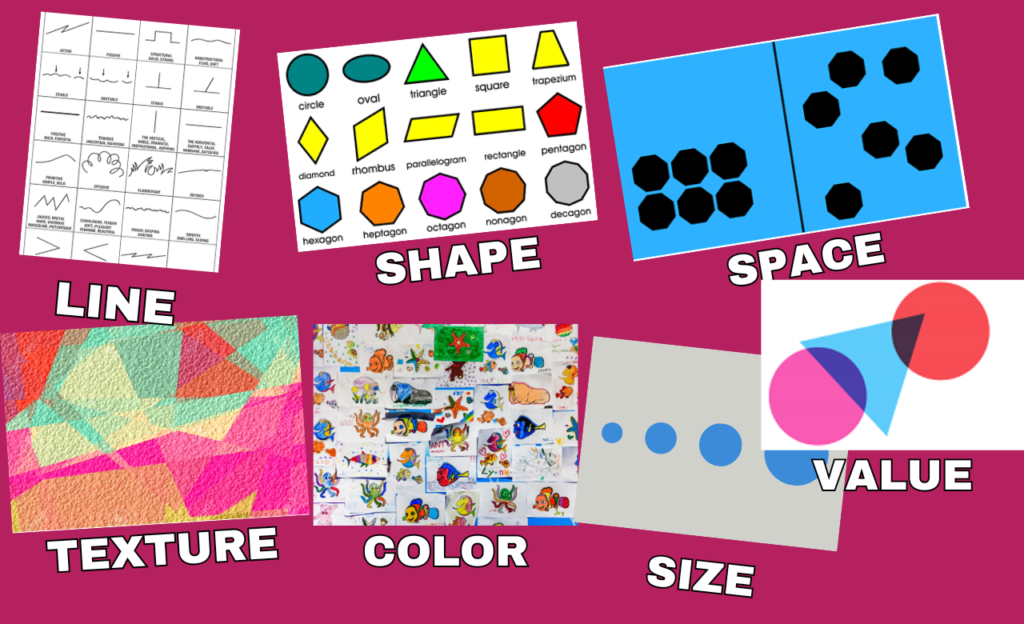
When designing a logo, the incorporation of graphic elements plays a crucial role in creating an effective and memorable design. Striking a balance between visual interest and simplicity is paramount; an overly complex logo can confuse potential customers, while a simplistic design might lack distinctive character. Therefore, it is essential to carefully consider the use of graphic elements, ensuring they serve a purpose and enhance the overall design.
Symbols can significantly contribute to the iconicity of a logo. A well-chosen symbol can encapsulate the essence of a business, reflecting its values or services at a glance. For instance, a tree may signify growth and sustainability for an eco-friendly brand. However, it is vital to ensure that any symbol employed is relevant to the business and resonates with its target audience. This relevance not only aids in brand recognition but also helps create an emotional connection with consumers.
Moreover, the colors and shapes used within these graphic elements should harmonize with the brand’s identity. For instance, a tech company might opt for sleek lines and modern colors, while a children’s brand might favor playful, vibrant designs. Such choices should evoke the desired feelings and associations in potential customers, thereby reinforcing the brand’s message. In addition, consistency in the use of graphic elements across various platforms—such as promotional materials and social media—further solidifies brand recall.
Ultimately, the integration of graphic elements in logo design should enhance, rather than overwhelm, the overall visual identity of the brand. By doing so, businesses can develop logos that not only stand out but also effectively communicate what they are all about, fostering stronger connections with their audience.
Make It Timeless and Versatile

When designing a logo, it is crucial to create a design that will endure the test of time. A timeless logo transcends trends and remains relevant for years, allowing the brand it represents to establish and maintain a strong identity. To achieve this, designers should focus on simplicity and clarity. Overly intricate designs may initially appear appealing, but they often become outdated and can confuse the audience. A logo that conveys its message clearly and simply is more likely to be recognized and remembered.
Incorporating classic design elements can contribute to a logo’s longevity. For instance, utilizing geometric shapes or classic typefaces can convey reliability and strength. Another strategy is to carefully select colors that align with the brand’s identity while steering clear of overly trendy palettes that may lose appeal later. Earthy tones or monochrome color schemes often prove to be versatile and timeless, ensuring that the logo remains stylish in different contexts.
Versatility is another critical aspect of effective logo design. A logo must not only look good on various digital platforms but also maintain its impact when printed on different materials, such as business cards, stationery, or merchandise. Therefore, designers should test their logos in various sizes and formats to assess their adaptability. This process involves considering how the logo performs in both color and black-and-white versions. Furthermore, a versatile logo should work well in both horizontal and vertical orientations, allowing businesses to utilize the design across various mediums without compromising aesthetics.
By focusing on creating a timeless and versatile logo, businesses can develop a strong visual identity that resonates with their audience for years to come. This strategic approach helps ensure that the logo will not only frame the brand’s message effectively but also adapt to new marketing needs as they arise.
Seek Feedback and Revise Appropriately

Seeking feedback plays a crucial role in the logo design process, ensuring that the final product resonates with your target audience while maintaining the essence of your brand identity. When developing a logo, it is essential to involve a diverse audience, as this variety can provide insights from different perspectives that may not have been considered initially. You can start by selecting a group that represents your customer demographics, team members, or even friends who can provide honest opinions.
To structure effective feedback sessions, it is vital to create an organized environment that encourages open dialogue. Begin by presenting your logo concepts alongside a clear description of your brand values and objectives. This context will help your audience understand the rationale behind your design choices. Ask focused questions that prompt thoughtful responses, such as what emotions the logo evokes, or whether it aligns with the industry standards. Encouraging constructive criticism will foster genuine feedback that can guide you toward a more polished design.
Incorporating the feedback received requires careful evaluation. As you sift through the comments, identify common themes or recurring suggestions – these signify areas that may require further refinement. While it’s essential to be receptive to feedback, it is equally important to maintain your brand’s original identity. Revisions should not veer too far from the core principles that define your brand. Instead, aim to strike a balance between addressing constructive criticism and staying true to your vision. By continually refining your logo based on valuable feedback, you will create a design that not only meets aesthetic expectations but also effectively communicates your brand’s values.
Finalizing Your Logo with Professional Help

When it comes to creating a logo that effectively represents your brand, the input of a professional designer or agency can make a significant difference. While DIY design tools can be appealing due to their accessibility and low cost, they often lack the nuanced understanding of design principles and branding strategy that an experienced designer possesses. Professional designers bring to the table a wealth of knowledge in typography, color theory, and composition, all of which are essential for creating a logo that is both aesthetically pleasing and functional.
A well-crafted logo does more than simply look good; it encapsulates your brand’s ethos and communicates its values. Professionals understand how to translate your business’s mission and vision into visual elements. They conduct thorough research, analyze competitors, and utilize market insights to create a logo that stands out. Their expertise ensures that your logo isn’t just trendy but also timeless, making it adaptable to changing design trends over the years.
Additionally, hiring a professional can save you time and prevent potential pitfalls. While attempting to create a logo on your own may seem efficient, the iterative process of refining designs can be labor-intensive and frustrating. Designers have honed their craft and possess the technical skills necessary to deliver high-quality assets rapidly. They also explore various styles and formats to provide you with the flexibility needed for different applications—whether it’s print, digital, or merchandise.
Investing in a professional logo is an investment in the future of your business. A strong logo can enhance brand recognition, foster customer loyalty, and even justify higher pricing for your products or services. Therefore, engaging a professional designer is not just about creating a pretty image; it is about laying the groundwork for your brand’s long-term success and establishing a compelling visual identity in a competitive market.
Comments